Skip to content

Honest repair-or-replace advice since 1986

When to Replace Your Windows: Signs, Timing and Honest Advice

Knowing when to replace windows is harder than it sounds, because a drafty or foggy window is not always a dying one. GTS Windows & Doors has repaired and replaced windows in Kitchener, Waterloo, Cambridge, Guelph and the surrounding townships since 1986, so we see both kinds of job every season. Our crews work in everything from Victorian brick homes near downtown Kitchener to 1990s subdivisions and new townhomes, and each generation of window ages in its own way.

Our view is simple: fix what can be fixed, and replace what has reached the end of its life. A new sealed unit, fresh weatherstripping or a hardware swap often buys years of service for a fraction of the price of a new window, and we will tell you when that is the smarter spend. When replacement is the right call, we install ENERGY STAR rated products and back the work with a 20-year parts and labour warranty.

This guide walks through the warning signs, how long vinyl, fibreglass, wood and aluminum frames typically last in Waterloo Region's freeze-thaw climate, and which times of year work best for booking. It is written for homeowners, landlords and property managers who want a straight answer before they start collecting quotes.

Signs You Need New Windows

One symptom on its own rarely means a window is finished. Two or three together, on a unit that is 20 or more years old, usually does.

Drafts and Cold Spots

A draft near a closed window usually comes from worn weatherstripping, failed exterior caulking, or a frame that has twisted out of square. The first two are inexpensive fixes, while a warped frame is not.

Hold a stick of incense around the sash on a windy day and watch the smoke. If it wavers only at the sash seals, new weatherstripping may solve it, but air moving around the whole frame points to replacement.

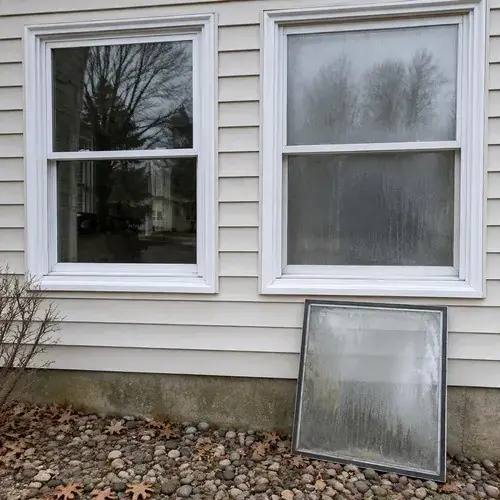
Condensation Between the Panes

Fog or streaks trapped between the glass mean the sealed unit's edge seal has failed and its insulating gas has escaped. Wiping will not help, because the moisture is inside the unit.

When the frame and hardware are sound, a foggy window repair replaces only the glass. If several units in the house start fogging at once, that generation of windows is likely aging out.

Condensation on the room side of the glass is a different problem. It usually points to high indoor humidity rather than a failed window.

Rot, Soft Sills and Water Damage

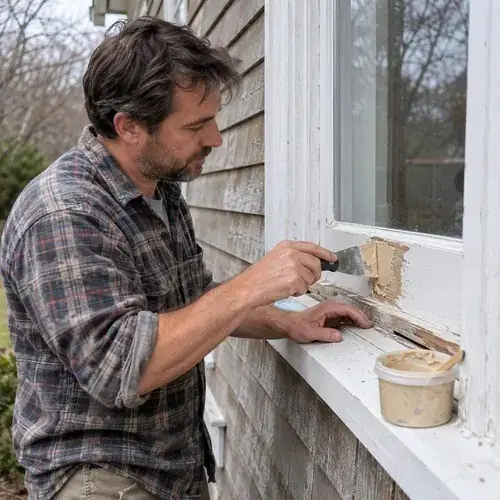
Press a screwdriver into the sill and the bottom corners of the sash. If it sinks in, water has been getting behind the paint for a while, often through failed glazing putty or caulking.

Localized rot can be cut out and rebuilt with wood window frame repair. Rot that runs through the sill into the rough opening, or stains on the drywall below, points to replacement and a check of the framing.

Windows That Won't Open, Close or Lock

Stripped casement operators, broken balances in hung windows and seized locks are common on vinyl windows from the 1990s and 2000s. Most of these parts are still available, and a window lock and latch repair costs far less than a new unit.

Replacement makes sense when the sash itself has warped and no longer meets the frame, or when parts for a discontinued brand can no longer be found.

How Long Windows Last by Material

Lifespan depends on installation quality, sun exposure and upkeep as much as on the frame material. These are typical ranges for homes in our area, not guarantees.

Frame materialTypical lifespanWhat usually fails first
Vinyl20 to 35 yearsSealed units, operators and corner welds; dark colours can warp in full sun
Fibreglass30 to 50 yearsSealed units and hardware; the frame itself is very stable
Wood, well maintained30 years or morePaint, glazing putty and sills; rot where water sits
Wood-clad (aluminum or vinyl exterior)30 to 40 yearsHidden rot if water gets behind the cladding
Aluminum, no thermal break20 to 30 yearsFrost and condensation on the frame; worn rollers and seals
Sealed glass units, any frame15 to 25 yearsEdge seal failure, seen as fogging between the panes

When Repair Makes More Sense

Repair wins when the frame is square, solid and dry, and the trouble is limited to glass, hardware, seals or a small patch of rot. Original sealed units often wear out long before the frames holding them, which is why many homes built in the 1990s and 2000s need glass work well before they need new windows.

As a rough guide, a replacement sealed unit for a standard-size window typically runs $250 to $600 installed, compared with about $800 to $1,500 for a new vinyl replacement window. Our window and door cost guide breaks down what moves those numbers.

Our window repair team quotes repair and replacement side by side whenever both are realistic. If a repair will only buy a year or two, we say so plainly.

That honesty works in both directions. If a window has rot in the rough opening or a frame that has failed, patching it is money you will spend twice.

  • Foggy glass in a sound frame: replace the sealed unit, not the window.
  • Hard-to-crank casements: new operators, hinges or tie bars.
  • Drafts at the sash: new weatherstripping and fresh exterior caulking.
  • Minor sill rot: epoxy consolidation or a spliced-in section of new wood.
  • Original heritage windows: repair plus a good storm window, which heritage planners often prefer.
Man applies wood filler with a putty knife to a damaged white window frame

Is It Worth Replacing 30-Year-Old Windows?

Usually, yes, if the originals are still in place. A window installed around 1996 was likely double-glazed with clear glass or an early low-E coating, aluminum spacers, and a frame that has now been through 30 Ontario winters.

Natural Resources Canada's ENERGY STAR Version 5.0 criteria set a maximum U-factor of 1.22 W/m²·K, or a minimum Energy Rating of 34. A typical double-pane, clear-glass unit from that era falls well short, so a modern replacement noticeably cuts drafts and cold glass.

The exception is good-quality wood windows that have been cared for. Those can often be restored, and on a designated heritage home restoration may be the route the city prefers.

Two vinyl windows on siding

The Best Time of Year to Replace Windows

Late spring, summer and early fall are the most comfortable seasons for installation, since sealants and foam cure easily and open walls let in mild air. They are also the busiest, and searches for window replacement peak in October and November as the first cold drafts arrive.

Replacement windows are made to order, and manufacturer lead times of 4 to 8 weeks are common, often longer during the fall rush. If you want new windows before the first hard frost, measure and order in late summer.

Winter and early spring are usually the easiest times to get on the schedule. When you are ready, our window replacement service starts with an on-site measure so the order is right the first time.

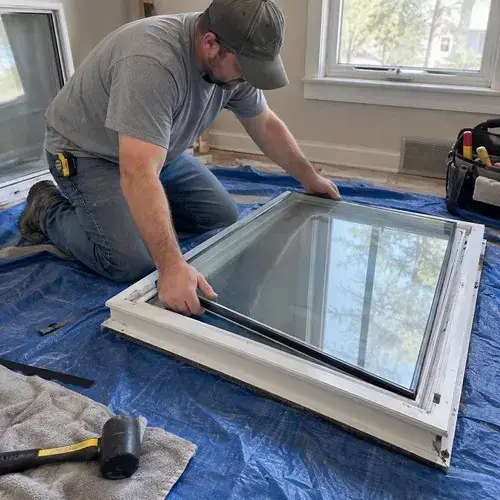
Man kneeling on a blue tarp fitting a new double pane glass unit into

Replacing Windows in Winter

Windows can be replaced in winter, and a cold-weather install is common in Waterloo Region. Crews take out and install one opening at a time, so each room is open to the outside only briefly, typically under an hour for a standard window.

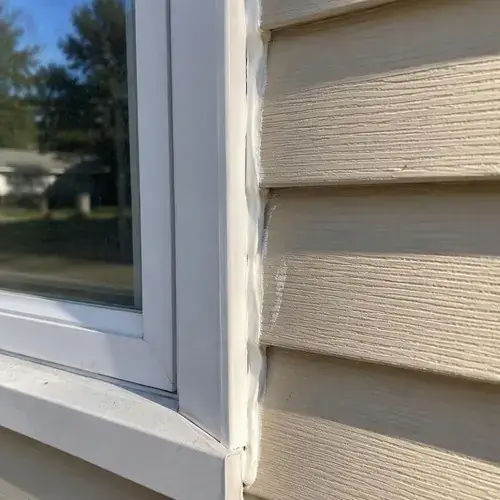
Cold changes the materials, not the method. We use low-expansion foam and sealants rated for cold application, and if a product's minimum temperature is not met on the day, we come back to finish the exterior caulking.

A winter install also gives you an instant test, because you feel the difference on the next cold night. Clear a path to each window and move furniture back about a metre before the crew arrives to keep the day short.

Close-up of white window frame corner with fresh caulk bead sealing the joint against

Window Replacement Timing FAQs

Should I replace windows before selling my house?

Only if they are visibly failing. Foggy units, rot or broken hardware can show up in a buyer's home inspection, so fixing those is often worth it, but full replacement rarely returns its whole cost at sale. Many sellers repair the obvious problems and leave the choice of new windows to the buyer.

Can I replace windows one at a time?

Yes. Replacing the worst windows first, such as the draftiest or the north-facing ones, is common and spreads the cost over several years. Keep a note of the product line, colour and glass package so later windows match.

Can I replace windows myself?

You can, but the risks are real. Common DIY problems include missing flashing, no sloped sill pan, and expanding foam that bows the frame so the sash will not close. Some manufacturers also limit warranty coverage when a unit is not installed to their instructions, so read the warranty before you start.

Get an Honest Window Assessment

Tell us what you are noticing, and we will check the frames, glass and hardware on site. You get a written quote for repair, replacement or both, so you can compare.

Call or text226-806-0597
Monday to Saturday: 7:00am to 9:00pm
Sunday: 9:00am to 5:00pm
47 Bridge Street East, Kitchener, ON N2K 1J7
Call 226-806-0597Quote