Appearance
Real wood has depth and grain that woodgrain films cannot match, and it can be stained or painted any colour inside. Putty-style profiles and divided lites look right on Victorian, Edwardian and early 20th century homes.
Get your written quote
Timber windows for century homes and custom builds
GTS Windows & Doors installs solid wood and aluminum-clad wood windows in century homes, heritage districts and custom builds across Kitchener-Waterloo, Guelph, Elora and the surrounding townships. We have worked on windows and doors in Waterloo Region since 1986, and we are licensed, insured, WSIB covered and a member of SAWDAC. Homeowners, renovation contractors and custom builders bring us in when the look of real timber matters as much as performance.
Wood is the frame material most likely to suit an older house, and the one least forgiving of a careless install. Water that sits on a sill, runs behind trim or wicks into unsealed end grain is what shortens a wood window's life, often by decades. Our installation process is built around keeping that water out and letting any that does get in drain away.
Below we compare solid and clad wood, explain what Kitchener's heritage rules expect when original windows are replaced, and walk through the species and factory finishes worth paying for. You will also find typical 2026 installed prices and an honest maintenance schedule, so you know what owning wood windows involves before you commit. Every installation carries our 20-year parts and labour warranty and uses ENERGY STAR rated glass packages.
Wood is one of the frame materials in our window installation range, and it is the only one that can be restored rather than replaced. When existing wood windows are worth saving, our wood window repair service is often the better first step.
Real wood has depth and grain that woodgrain films cannot match, and it can be stained or painted any colour inside. Putty-style profiles and divided lites look right on Victorian, Edwardian and early 20th century homes.
Wood matches the materials, proportions and sightlines of original windows. That matters on designated properties and inside heritage conservation districts.
A damaged wood sash can be patched, reglazed, repainted or have a section of rail replaced. Vinyl and fibreglass frames usually have to be replaced once the frame itself is damaged.
Solid wood windows are timber inside and out, so the exterior must be painted or stained. Clad wood windows cover the exterior with aluminum, or occasionally fibreglass, and leave wood on the room side.
| Factor | Solid wood | Clad wood |
|---|---|---|
| Exterior look | Painted or stained wood with true heritage profiles | Factory-finished metal in many colours |
| Exterior upkeep | Repaint every 5 to 8 years, inspect caulking yearly | Wash and check sealant joints, no painting |
| Heritage approval | Usually the easiest to approve | Sometimes accepted, depending on district guidelines |
| Typical installed price, medium casement | $1,300 to $2,500 | $1,500 to $3,000 |
| Best for | Designated heritage homes and painted period exteriors | Custom builds and renovations wanting wood inside with low exterior upkeep |
Kitchener has four heritage conservation districts, St. Mary's, Upper Doon, Victoria Park and Civic Centre, plus individually designated properties across the city. The City's heritage permit requirements list replacing windows or doors, or changing their openings, among alterations that may need a heritage permit under the Ontario Heritage Act.
City guidance asks applicants to consider options in order of priority: repair or retrofit the existing units, replace them with new units matching the originals in material, design, proportion and colour, and only then replace them with units generally in keeping with the originals. For original wood windows, that usually points to wood with matching profiles, with masonry openings left undisturbed and exterior trim matched.
Other municipalities we serve keep their own heritage registers and district plans, so we confirm requirements before ordering. Our permits and heritage guide explains when a building or heritage permit applies.
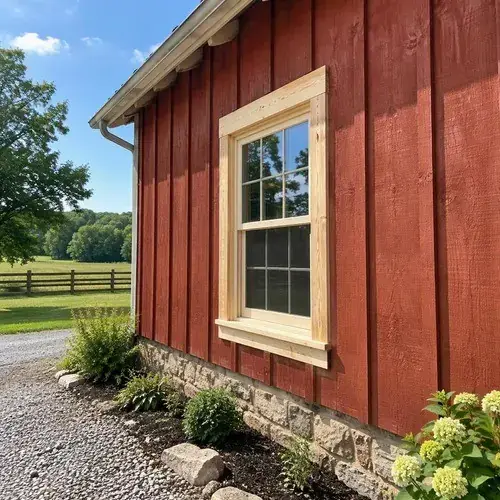
Most production wood windows use pine, which machines cleanly, takes paint and stain well, and is usually treated with a water-repellent preservative at the factory. Douglas fir is a popular upgrade for its straight grain and stability, and hardwoods such as white oak, cherry or mahogany are available for interiors on custom orders.
Factory finishes are worth paying for, because coatings sprayed and cured in a plant reach every face, including end grain and surfaces hidden once installed. Arched tops, circle heads and odd sizes common in older homes are handled as custom windows.
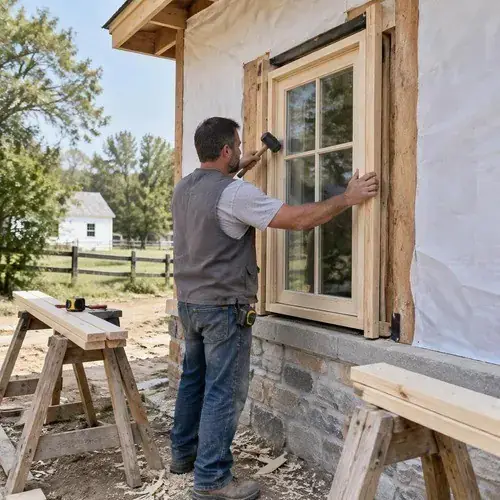
Rot rarely starts in the middle of a sash. It starts where water collects and cannot dry, which is why these installation details matter more on wood than on any other frame.
A sloped, back-dammed sill pan or self-adhered membrane goes in before the window. Any water that gets past the exterior seal drains out instead of soaking into the sill framing.
Every cut made on site, such as trimming extension jambs or a sill horn, exposes end grain that soaks up water. We seal each field cut with primer or sealer before it is covered.
A metal drip cap or head flashing, lapped under the housewrap or siding, sheds water away from the top of the frame. On brick homes, the flashing ties into the existing weather barrier.
We keep the sill's drainage path open and never caulk shut the points where water is meant to escape. Low-expansion foam and an interior air seal stop warm, humid indoor air from reaching the cold frame.
Primed or unfinished units need their exterior coats before the first hard freeze. We confirm the painting plan and timing when we schedule the installation.
Wood costs more than vinyl and often more than fibreglass, and heritage profiles, divided lites and brick openings push it higher. These are typical 2026 installed prices in Waterloo Region, including removal, installation, insulation and interior trim.
To see wood side by side with vinyl, fibreglass and aluminum, along with whole-house budgets, read our window and door cost guide for Kitchener-Waterloo.
| Wood window option | Typical installed price (2026) |
|---|---|
| Solid wood casement or awning, medium, primed | $1,300 to $2,500 |
| Aluminum-clad wood casement, medium | $1,500 to $3,000 |
| Clad wood double hung, medium | $1,600 to $3,200 |
| Custom heritage replica with simulated divided lites | $2,500 to $5,000+ |
| Arched or specialty shape in wood | $2,500 to $6,000+ |
With regular painting and prompt repairs, a well-installed wood window can last 30 to 50 years, and many original sashes in older homes are far older. Neglect is what ends a wood window's life, because failed paint at the sill lets water in and rot follows. Clad wood reduces that risk on the exterior.
Yes. Wood is a natural insulator, so the frame stays warm to the touch in winter. Most of a window's performance comes from the glass, so choose Low-E glass, argon fill and warm-edge spacers, and check that the model is ENERGY STAR certified.
Not automatically. Each of Kitchener's four heritage conservation district plans has its own guidelines, and the City's heritage permit guidance favours repair first, then replacement matching the original material, design, proportion and colour. Where the originals are wood, that usually points to wood, so confirm with the City's Heritage Planning staff before you order.
Solid wood exteriors typically need repainting every 5 to 8 years, and sooner on sun-exposed south and west walls or on sills. Stained exteriors need refreshing more often, about every 3 to 5 years. Interior finishes last much longer and mostly need touch-ups.
Book an on-site measure and we will price solid wood, clad wood or a restoration option for your openings. If your home is designated or in a heritage district, we will flag what the permit is likely to need.
Call or text226-806-0597